


Career Guides
How to Find Seasonal Jobs Fast: Best Apps & Timing
Learn how to find seasonal jobs fast with the best apps, peak application timing, and insider tips on availability, pay, and shifts. Get hired before the rush.
Career Guides
November 27, 2025 | Andy
Tired of the same old clinical grind? The 2026 landscape is shifting fast. If you don't adapt, you risk being left behind. Let’s explore how these emerging shifts will redefine your professional future and help you secure the most rewarding roles in the industry.
Tired of the same old clinical grind? The 2026 landscape is shifting fast. If you don't adapt, you risk being left behind. Let's explore how these emerging shifts will redefine your professional future and help you secure the most rewarding roles in the industry.
Social media has turned everyone into a self-proclaimed expert, but by 2026, the backlash against pseudoscience is reaching a boiling point. Consumers are exhausted by conflicting advice on beef tallow, raw water, and the demonization of seed oils. This chaos is creating a massive opening for Registered Dietitians to step in as the ultimate source of truth.
In this environment, your nutrition career may shift from the bedside to the screen. Tech giants and social media platforms are starting to hire Clinical Content Verifiers. These are RDs who work behind the scenes to audit health claims and flag dangerous misinformation. It's a role that requires you to be quick on your feet and able to translate complex metabolic pathways into 60-second rebuttals that actually resonate with a skeptical audience.
If you enjoy communication, look for nutrition roles in media consulting or brand advocacy. Companies are desperate for professionals who can help them market products without falling into the wellness-washing trap. You aren't just a dietitian anymore; you are a guardian of public health in a digital world.
While we fight the noise online, a specific nutrient is quietly taking center stage in the grocery aisles.
For years, protein was the undisputed king of nutrients. But as we head into 2026, the focus has shifted toward Fibermaxxing. Driven by viral trends and a growing obsession with the microbiome, consumers are finally realizing that protein alone won't fix their digestion or metabolic health.
This trend is a goldmine for dietitians interested in product development and culinary medicine. Food tech startups are racing to create high-fiber alternatives to everyday staples, and they need RDs to ensure these products actually deliver on their health promises. You might find yourself working in a lab, testing how different types of resistant starch affect blood glucose levels or satiety markers.
In a private practice setting, Fibermaxxing means moving beyond the generic eat more beans advice. You will need to design specific protocols for clients with sensitive stomachs, helping them increase their fiber intake without causing flare-ups. This requires a deep understanding of FODMAPs and the latest research on prebiotic diversity.
The era of generic dietary advice is officially over. By 2026, your clients will likely arrive at their first appointment with a year's worth of data from their Oura rings, Apple Watches, and Continuous Glucose Monitors (CGMs). They don't want a meal plan; they want you to tell them why their glucose spiked after a "healthy" oatmeal breakfast.
This shift toward wearable health is fundamentally changing the career path. In nutrition, to stay relevant, you must become data-literate. This means being able to look at a client's sleep quality, heart rate variability (HRV), and glycemic response as a single, interconnected system.
Many nutrition roles are now appearing within health-tech companies. These firms need RDs to help refine the algorithms that provide automated coaching. Your clinical expertise ensures that the AI doesn't give dangerous advice to a user with a history of disordered eating or a complex medical condition. If you can bridge the gap between big data and human behavior, you will be one of the most sought-after professionals in the field.
Data gives us the what, but new medical breakthroughs are changing the "how" of weight management.
The rise of GLP-1 medications like semaglutide has completely disrupted the weight loss industry. By 2026, the conversation has moved from "should people take these drugs?" to "how do we support them nutritionally?" This has created a significant demand for dietitians specializing in medical weight management.
When appetite is chemically suppressed, the risk of muscle wasting and nutrient deficiencies skyrockets. This is where you come in. Your role is to ensure that patients taking these medications receive enough protein and micronutrients to maintain their lean body mass. You are the one teaching them how to eat when they don't feel hungry at all.
This trend is driving a surge in telehealth dietitian jobs. Large online prescribing platforms are now required to provide nutritional support alongside the medication. This allows you to build a specialized remote practice that focuses entirely on the unique physiological needs of patients undergoing medical weight loss. It's a high-stakes, high-reward niche that didn't even exist a few years ago.
While weight management is a primary focus, we are also seeing a shift toward longevity and structural health.
The strong ideal is replacing the skinny ideal. In 2026, there is a massive focus on muscle as an organ of longevity, particularly for women entering perimenopause and menopause. This has created a new category of nutrition roles that sit at the intersection of sports nutrition and geriatrics.

Boutique fitness studios and longevity clinics are increasingly hiring dietitians. Your job is to pair nutrition protocols with strength training programs to maximize bone density and metabolic rate. This involves more than just calculating protein; it's about timing nutrients to support recovery and understanding the hormonal shifts that affect how women process fuel.
If you are looking to pivot your career, consider specializing in Menopause Nutrition. According to the North American Menopause Society, millions of women are seeking better ways to manage this transition. By offering a science-backed alternative to menopause supplements, you can build a very successful and stable practice.
Focusing on the body's structure is vital, but we are also learning that the mind is just as dependent on what we eat.
We've moved past the basic idea that sugar makes you hyper. By 2026, neuro-nutrition will be a mainstream specialty. We now have a much clearer understanding of how the gut microbiome influences neurotransmitters like serotonin and dopamine. This has led to a rise in "Nutritional Psychiatry."
In this field, dietitians work alongside therapists and psychiatrists to treat anxiety, depression, and ADHD through dietary intervention. This isn't about replacing medication; it's about using food to create a more resilient nervous system. You might find yourself working in an outpatient mental health clinic, designing anti-inflammatory protocols that support brain health.
This is a perfect path for those who find the behavioral side of nutrition more interesting than the clinical side. It requires a deep dive into the research on omega-3 fatty acids, magnesium, and fermented foods. As mental health awareness continues to grow, so will the demand for RDs who can feed the brain as well as the body.
As we look inward at the brain, we are also looking outward at the planet's health.
By 2026, sustainability will no longer be a nice-to-have feature; it will be a core requirement for many consumers. The Climatarian diet—eating to minimize your carbon footprint—is a major nutrition trend. This goes beyond being vegan; it's about understanding soil health, regenerative agriculture, and food waste.
This trend is creating unique nutrition roles in corporate social responsibility (CSR) departments and large-scale food service operations. Hospitals and universities are looking for RDs who can overhaul their menus to be planet-friendly without sacrificing nutritional quality. You might be tasked with sourcing ingredients from local regenerative farms or finding ways to reduce the nitrogen footprint of a facility's meal plan.
This is an excellent area for dietitians who have a background in public health or food service management. It's about looking at the big picture and realizing that human health and planetary health are inseparable.
With all these new specialties, the way we actually deliver care is becoming more flexible than ever.
If you value flexibility, 2026 is your year. Telehealth dietitian jobs have become the standard, not the exception. The technology has matured to the point where remote physical assessments and integrated lab testing are seamless. This allows you to practice across state lines (depending on licensing) and find your tribe of specific clients.
The key to success in the 2026 telehealth market is hyper-specialization. Generalists are struggling, but specialists—like an RD who only works with athletes with endometriosis—are thriving. The digital nature of the work means you can reach the 500 people worldwide who need your specific expertise, rather than competing with every other dietitian in your city.
To excel here, you need to master the soft skills of video counseling. How do you build trust through a screen? How do you read body language when you can only see a client's head and shoulders? These are the skills that will define the next decade of your nutrition career.
While technology connects us, it also threatens to automate our tasks—unless we learn to use it.
You've probably heard the rumors that AI will replace dietitians. By 2026, we know that isn't true—but AI is replacing dietitians who refuse to use it. The most successful professionals use AI as a co-pilot to handle time-consuming administrative work.
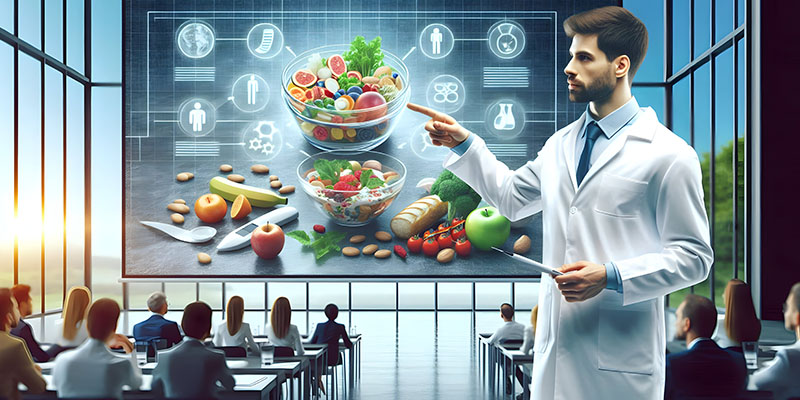
Imagine an AI that listens to your client session and automatically drafts your ADIME notes, generates a grocery list based on the conversation, and flags potential drug-nutrient interactions. This isn't science fiction; it's the reality of a modern nutrition career. By offloading these tasks, you can spend more time on the parts of the job that require human empathy and complex clinical reasoning.
Employers are now looking for RDs who are AI-literate. They want to see that you can use these tools to increase your efficiency and see more patients without sacrificing the quality of care. If you can prove that you know how to leverage technology to improve patient outcomes, you will have significant leverage in salary negotiations.
Beyond technology, there is a growing movement to change the very laws that govern our profession.
Finally, we cannot ignore the impact of policy. By 2026, the push for the Medical Nutrition Therapy Act is reaching a critical mass. This legislation aims to expand Medicare coverage for MNT to include a much wider range of conditions, such as hypertension, obesity, and eating disorders.
This is a game-changer for personalized nutrition. If more conditions are covered by insurance, more people will have access to your services. This leads to increased hiring in outpatient clinics and more stable income for those in private practice. Dietitians who understand the business side of the profession—billing, coding, and policy—will be in high demand to help organizations navigate these new revenue streams.
According to the U.S. Bureau of Labor Statistics, employment of dietitians is projected to grow 7 percent from 2022 to 2032, faster than the average for all occupations. These legislative changes and the shift toward preventative care are fueling this growth.
The future of nutrition is more diverse and exciting than ever before. Whether you are interested in the high-tech world of wearable health, the clinical complexity of GLP-1 support, or the advocacy work of expanding MNT coverage, there is a place for you.
To stay ahead, don't just wait for these trends to happen. Take a course in data analytics, learn about the latest microbiome research, or start building your niche in the telehealth space. The hidden signals in the market indicate that the most successful dietitians will be those who are adaptable, tech-savvy, and willing to step outside the traditional clinical box.
The industry is evolving, and your career should too. By embracing these nutrition trends, you aren't just keeping your job—you are ensuring that you remain an essential leader in the future of global health. The opportunities are there; it's time to go out and claim them.
Career Guides
November 1, 2025
Career Guides
October 28, 2025
Certifications
October 15, 2025
Certifications
October 14, 2025
Career Guides
Learn how to find seasonal jobs fast with the best apps, peak application timing, and insider tips on availability, pay, and shifts. Get hired before the rush.
Career Guides
You can start fast as a delivery driver if you understand the rules. Nail vehicle standards, carry the right insurance, and know how pay actually works before you hit accept on a route .
Career Training
As its influence grows in international business, culture, and travel, learning Spanish offers countless opportunities for personal and professional advancement. This article aims to compare these platforms based on course offerings, payment rates, learning modes, and target audiences, enabling readers to make informed choices that align with their learning preferences and goals.
Education Programs
The growth of online education has radically changed the landscape of learning, allowing individuals to pursue academic advancement more flexibly and accessibly. For students seeking to enhance their educational credentials, understanding the intricacies of accredited online business degrees is paramount.
Career Training
Explore skilled trade training online for HVAC careers. This guide details how HVAC online courses work, their role in trade career pathways, and how to balance theory with essential hands-on field experience.
Certifications
You are choosing between TEFL and TESOL and want the quickest, legit path to teach English. Here is a clean side-by-side so you know what each certificate means, who accepts it, and what you will actually pay .